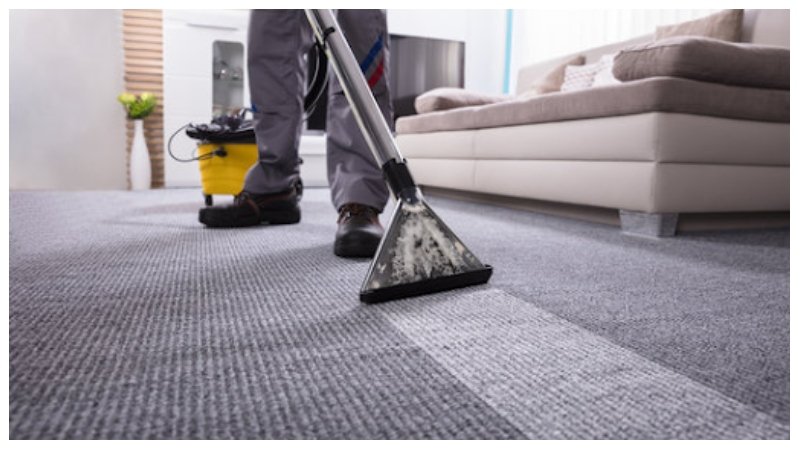
Carpets function as silent guardians of indoor air quality, trapping airborne particles that would otherwise circulate through living spaces. This filtration capacity presents both benefit and burden: while carpets capture contaminants, they also accumulate them until proper removal occurs. For the millions of American families managing allergies and respiratory conditions, this accumulation represents a significant but often overlooked health consideration.
The Environmental Protection Agency identifies indoor air pollution among the top environmental health risks, noting that pollutant concentrations indoors frequently exceed outdoor levels. Within this context, carpet maintenance transcends aesthetic concerns and becomes a legitimate health intervention.
Research conducted by Airmid Healthgroup and presented at the American Academy of Allergy, Asthma, and Immunology demonstrates that effectively cleaned carpets trap allergens and particles, resulting in fewer airborne particles compared to hard surface flooring. This finding challenges conventional assumptions and emphasizes that maintenance quality determines whether carpeting supports or compromises respiratory health.
Why San Antonio Families Face Unique Challenges
Year-Round Pollen Pressure
San Antonio presents distinctive environmental challenges for allergy-prone households. health benefits According to the Asthma and Allergy Foundation of America’s 2024 Allergy Capitals Report, San Antonio ranks 24th nationally among the most challenging places to live with pollen allergies, a significant increase from its 37th position in 2023. This ranking reflects the region’s nearly continuous pollen activity throughout the calendar year.
Mountain cedar pollen dominates winter months from December through February, releasing clouds of allergenic particles that trigger intense symptoms locally termed “cedar fever”. Spring brings oak pollen peaks during March and April, followed by grass pollen persistence through the summer months. Fall introduces ragweed from August through October, completing a cycle that leaves minimal respite for sensitive individuals. For San Antonio families, indoor air quality management is not optional; it is essential for daily functioning.
Indoor-Outdoor Particle Transfer
Pollen and outdoor allergens enter residential spaces through multiple pathways. Foot traffic tracks particles directly onto carpeted surfaces. Open windows and doors allow airborne infiltration. Clothing and pet fur transport allergens from exterior environments. Once deposited, these particles settle into carpet fibers where they resist casual removal and accumulate over time.
The American Lung Association notes that carpets and rugs may trap pollutants and allergens, including dust mites, pet dander, cockroach allergens, particle pollution, lead, mold spores, pesticides, dirt, and dust. Toxic gases in the air adhere to small particles that settle into carpets, becoming airborne again during vacuuming, renovations, or even normal walking activity. For children who play on floors and frequently engage in hand-to-mouth behavior, this exposure pathway carries particular significance.
The Science of Carpet Contamination and Health Impact
Biological Loading in Residential Carpets
Carpet fibers create ideal microenvironments for biological colonization. Dust mites thrive in warm, humid conditions, feeding on shed human skin cells and reproducing prolifically. A single dust mite produces approximately twenty fecal pellets daily, with each pellet containing potent allergenic proteins designated Der p1 and Der f1. These proteins become airborne during normal activity, triggering allergic responses in sensitized individuals.
Pet dander presents another significant allergen source. Unlike pet hair, which is visible and easily vacuumed, dander consists of microscopic skin flakes that embed deeply within the carpet pile. These particles remain allergenic for extended periods, continuing to provoke symptoms long after visible pet hair has been removed.
Research-Validated Cleaning Efficacy
The cleaning process also resulted in a marked reduction in airborne cat allergen exposure and effectively reduced exposure to airborne mold. Further research published in the Journal of Occupational and Environmental Hygiene evaluated mold management on wetted carpet using various cleaning methods. Steam-vapor cleaning demonstrated over 99% efficiency in mold spore decline from wetted carpet after 24 hours, significantly outperforming alternative methods. Hot water extraction showed consistent fungal removal rates, while detergent and high-flow water methods declined in efficiency with increasing incubation time.
Health Benefits of Professional Carpet Cleaning
Allergen Load Reduction
Professional carpet cleaning achieves allergen removal that domestic vacuuming cannot replicate. Hot water extraction, the method recommended by major carpet manufacturers and industry organizations, penetrates deeply into the carpet pile and backing to suspend and remove embedded particles. The Carpet and Rug Institute recommends this comprehensive approach, including vacuuming, cleaning solution application, agitation, and hot water extraction for optimal results.
Research demonstrates meaningful reductions in both carpet allergen content and surrounding airborne allergen levels following professional cleaning. This dual benefit addresses both the reservoir of accumulated allergens and their potential for airborne dispersal. For allergy-prone families, this reduction translates directly to decreased symptom frequency and severity.
Dust Mite Population Control
While complete dust mite elimination from residential environments is impractical, professional cleaning significantly reduces population densities. Hot water extraction kills mites through thermal exposure while removing the organic debris that sustains their populations. Combined with humidity control below fifty percent relative humidity, regular professional cleaning maintains mite populations at levels less likely to trigger symptomatic responses.
Mold and Mildew Prevention
Professional cleaning addresses moisture management, critical for mold prevention. Extraction equipment removes excess water that would otherwise support fungal growth. Rapid drying protocols prevent the damp conditions that enable mold colonization. For San Antonio’s humid climate, this moisture management proves particularly valuable in protecting both carpet integrity and indoor air quality.
Chemical Residue Removal
Professional cleaning breaks down and extracts bonded chemical contaminants that accumulate over months and years. This removal reduces ongoing off-gassing and chemical exposure within the home environment. Families with chemical sensitivities or respiratory conditions particularly benefit from this comprehensive contaminant reduction.
Determining Appropriate Cleaning Frequency
Household-Specific Factors
The Environmental Protection Agency recommends following manufacturer recommendations and industry standards for carpet cleaning frequency rather than specifying universal intervals. However, several factors indicate the need for more frequent service in allergy-prone households.
High-traffic areas accumulate soil and allergens more rapidly than peripheral spaces. health benefits Homes with pets require enhanced frequency due to dander accumulation and potential accident incidents. Households with young children face higher exposure risks due to floor contact behaviors. San Antonio’s extended pollen seasons create a continuous influx of outdoor allergens that accelerate carpet loading.
Recommended Intervals for Allergy Management
For allergy-prone families in high-pollen environments like San Antonio, professional carpet cleaning every three to six months provides optimal allergen management. This frequency prevents accumulation reaching levels that significantly impact air quality and symptom severity. Between professional services, weekly vacuuming with HEPA filtration maintains reduced allergen levels and extends cleaning effectiveness.
The American Lung Association recommends deep cleaning carpets and rugs annually using dry steam cleaning, with increased frequency for sensitive households. They emphasize proper drying to prevent mildew growth, a consideration particularly relevant in San Antonio’s humid climate.
Selecting Effective Professional Service
Methodology Matters
Not all carpet cleaning services deliver equivalent health benefits. Hot water extraction remains the gold standard for allergen removal. This method heats water to temperatures that kill dust mites and bacteria, then extracts the suspended contaminants with powerful vacuum systems.
San Antonio Carpet Cleaning utilizes hot carbonating extraction, a variation that uses significantly less water than traditional steam cleaning while achieving comparable soil and allergen removal. This reduced water usage enables faster drying, typically one to two hours, minimizing the window for mold growth potential.
Product Safety Considerations
For families with allergies and chemical sensitivities, cleaning product composition matters significantly. Green-certified, eco-friendly solutions avoid harsh chemicals that may trigger respiratory symptoms or skin reactions. These products achieve effective cleaning without introducing additional irritants into the home environment.
The market demonstrates a clear consumer preference for sustainable cleaning options. Industry research indicates that sustainability represents a major differentiator in both premium and mid-tier markets, with eco-conscious services gaining significant market share.
Equipment and Expertise
Effective allergen removal requires professional-grade equipment unavailable to consumers. Hospital-grade vacuums, high-pressure extraction systems, and specialized agitation tools achieve penetration and removal depths that rental machines cannot replicate. Technician training in proper technique ensures optimal results without carpet damage or residue accumulation.
Integrating Carpet Cleaning into Comprehensive Allergen Management
Multi-Layered Protection Strategies
Professional carpet cleaning functions most effectively within broader environmental control strategies. HEPA air filtration reduces airborne particle concentrations before they settle into carpets. Humidity control prevents mold growth and dust mite proliferation. Entryway matting systems reduce tracked-in outdoor allergens. Bedding protection and regular laundering address dust mite populations in sleeping environments.
For San Antonio families, seasonal awareness enhances these strategies. Increasing cleaning frequency before and during peak pollen seasons provides proactive protection when outdoor allergen loads are highest. Monitoring local pollen forecasts enables anticipatory rather than reactive management.
Children and Vulnerable Populations
Children spend significant time in close floor contact, making carpet cleanliness particularly consequential for pediatric health. The American Lung Association specifically identifies children as more vulnerable to carpet pollutants due to play behaviors and hand-to-mouth contact. Families with asthmatic children or pediatric allergy sufferers should prioritize rigorous carpet maintenance as a health protection measure.
Conclusion
Regular professional carpet cleaning provides measurable health benefits for allergy-prone families, particularly in challenging environments like San Antonio. The combination of year-round pollen pressure, humidity that supports biological growth, and modern tight-building construction creates indoor air quality challenges that professional intervention effectively addresses. Click here for more information.
Research demonstrates that properly maintained carpets support rather than compromise respiratory health, trapping allergens that would otherwise remain airborne while enabling their effective removal through professional cleaning. For families seeking carpet cleaning in San Antonio TX, selecting services that utilize effective extraction methods, eco-friendly products, and rapid drying protocols maximizes these health benefits.