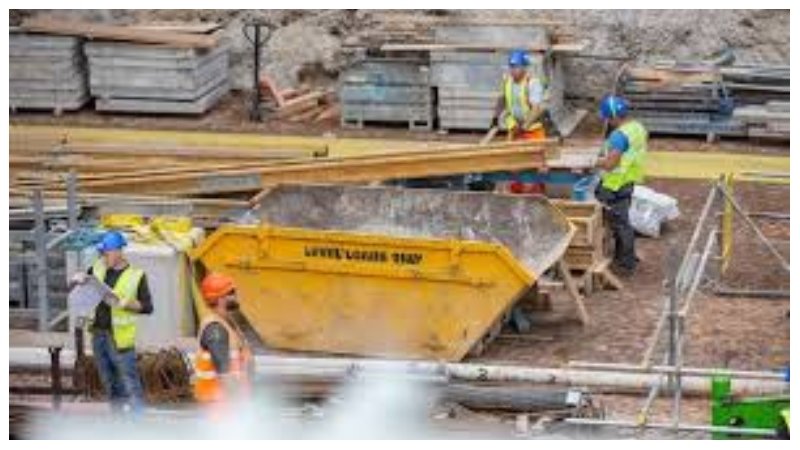
When homeowners take on renovation projects and hire contractors, most of the focus goes toward design choices, timelines, and budgets. However, one critical element that often gets overlooked is waste removal. Debris management plays a major role in how smoothly a project runs, especially when multiple contractors or trades are involved.
Even when professionals are handling the work, homeowners still influence how organized and efficient the project becomes. Without a clear plan for handling debris, materials can pile up, slow down progress, and create unnecessary stress.
For homeowners managing contractor-driven renovations, understanding waste removal strategies helps keep the project on track, protects the property, and improves the overall experience.
Why Waste Management Still Matters for Homeowners
It is easy to assume that contractors will handle all aspects of waste removal. While many do manage debris as part of their scope, the approach can vary depending on the contractor, project size, and timeline.
In some cases, waste removal is shared responsibility. In others, contractors may rely on homeowners to coordinate certain aspects, such as container placement or scheduling.
Without clear expectations, debris can accumulate in driveways, yards, or interior spaces, creating clutter and slowing down work.
Homeowners who understand the role of waste removal can help ensure that it is handled consistently throughout the project.
Being proactive helps avoid confusion and delays.
Establishing Clear Expectations with Contractors
One of the most important steps is clarifying who is responsible for waste removal before the project begins. This includes understanding how debris will be handled, where it will be placed, and how often it will be removed.
Homeowners should discuss:
- Whether a dumpster will be used
- Who will arrange delivery and pickup
- How debris will be managed during each phase
- Where the container will be placed
Clear communication helps prevent misunderstandings and ensures that everyone is aligned.
Setting expectations early supports a more organized project.
Choosing a Centralized Disposal Solution
For most renovation projects, a centralized disposal solution is the most efficient approach. Instead of allowing debris to be staged in multiple areas, a single container provides a consistent place for waste.
This helps keep the property organized and reduces the need for repeated cleanup.
Working with providers such as Waste Removal USA allows homeowners to ensure that a proper system is in place for managing debris.
A centralized solution simplifies the process for both homeowners and contractors.
Consistency in disposal improves efficiency.
Planning Container Placement Around the Property
Where a dumpster is placed can have a significant impact on how the project runs. A poorly placed container can block access, interfere with deliveries, or create inconvenience for daily activities.
Homeowners should consider how placement will affect:
- Driveway access
- Walkways and entry points
- Landscaping and outdoor features
- Neighboring properties
The goal is to make the container accessible for contractors while minimizing disruption to the household.
Thoughtful placement helps maintain both efficiency and comfort.
Keeping Debris Moving Instead of Letting It Accumulate
One of the most common issues during renovations is allowing debris to pile up before it is removed. Waste Removal Strategies This can quickly lead to cluttered spaces and restricted access.
Encouraging contractors to remove materials as they are generated helps keep the project organized.
Continuous disposal reduces the need for large cleanup efforts and keeps work areas functional.
Homeowners can support this by ensuring that the container is accessible and that removal schedules are maintained.
Keeping debris moving helps maintain momentum.
Coordinating with Multiple Contractors
Many homeowners manage projects that involve multiple contractors, such as demolition crews, installers, and finish teams. Each of these trades generates debris, and without coordination, waste management can become inconsistent.
Homeowners should ensure that all contractors follow the same disposal process.
This helps prevent situations where debris is left behind or handled differently by each crew.
Consistency across trades improves organization and reduces confusion.
Coordinated efforts lead to better results.
Monitoring Container Usage and Scheduling
Even with a dumpster in place, it is important to monitor how quickly it is being filled. Renovation projects can generate debris faster than expected, especially during demolition phases.
If the container becomes full and is not removed promptly, Waste Removal Strategies debris may begin to accumulate elsewhere.
Homeowners should stay aware of container usage and coordinate pickups as needed.
Maintaining available disposal capacity ensures that the project continues without interruption.
Timely scheduling helps avoid delays.
Protecting the Property During Waste Removal
Renovation projects can be demanding on a home, and waste removal adds another layer of activity. Heavy materials, equipment movement, and repeated use of certain areas can affect surfaces and landscaping.
Homeowners should take steps to protect their property by:
- Choosing stable placement areas for containers
- Monitoring how debris is handled
- Ensuring that pathways remain clear
Protecting the property helps prevent additional work and maintains the condition of the home.
Attention to detail supports a smoother renovation process.
Reducing Stress Through Better Organization
Managing a renovation project can be stressful, especially when multiple tasks are happening at once. A well-organized approach to waste removal helps reduce this stress by keeping the site clean and manageable.
When debris is handled efficiently, it is easier to track progress, communicate with contractors, and maintain a sense of control over the project.
Organization improves both the experience and the outcome.
A clean environment supports better decision-making.
Avoiding Common Waste Management Mistakes
Homeowners often encounter similar challenges when it comes to waste removal. These include underestimating the amount of debris, delaying container setup, and not coordinating between contractors.
Another common issue is placing the container in a location that creates inconvenience or restricts access.
Avoiding these mistakes requires planning ahead and maintaining communication throughout the project.
Being proactive helps prevent unnecessary complications.
Improving Project Efficiency and Outcomes
Effective waste removal strategies contribute directly to the success of a renovation project. When debris is managed properly, contractors can work more efficiently, transitions between tasks are smoother, and the project stays on schedule.
This leads to:
- Faster completion times
- Reduced disruptions to daily life
- Better overall organization
- Improved satisfaction with the final result
Homeowners who prioritize waste management are better equipped to manage their projects successfully.
Efficiency improves when every detail is considered.
Waste removal is a key component of any renovation project, even when contractors are handling the work. For homeowners, understanding how to plan and coordinate debris management helps ensure that the project runs smoothly from start to finish.
By establishing clear expectations, choosing the right disposal solution, and maintaining consistent cleanup practices, homeowners can support efficient operations and reduce stress throughout the process.
When waste removal is handled thoughtfully, it becomes an asset rather than a challenge, helping to create a more organized, efficient, and successful renovation experience. Click here for more information.